TMD Treatment
TMD dysfunction refers to problems with the jaw joint and surrounding muscles that control jaw movement. It can cause pain, stiffness, clicking sounds, and difficulty opening or closing the mouth.
WHAT IS TMD DISFUNCTION?
TMD dysfunction refers to problems with the jaw joint and surrounding muscles that control jaw movement. It can cause pain, stiffness, clicking sounds, and difficulty opening or closing the mouth.
The condition may result from trauma, arthritis, stress-related grinding, or misalignment. Early diagnosis and targeted treatment can significantly improve quality of life and reduce long-term discomfort.
TMD disorders may present as jaw pain, headaches, facial tension, earaches, or even neck and shoulder discomfort. Clicking, popping, or locking of the jaw during movement is common. Some patients experience limited jaw opening or soreness when chewing or speaking. Recognizing these symptoms early can lead to more effective and less invasive treatment options.
How TMD Disorders Are Diagnosed
Diagnosis begins with a thorough clinical examination, patient history, and often imaging such as X-rays, MRI, or CBCT scans. Your dentist or specialist assesses jaw movement, alignment, muscle tenderness, and joint sounds. Advanced techniques help determine the extent of damage or dysfunction and guide the selection of appropriate treatment strategies.
HOW IS TMD TREATED?
Most TMD disorders can be managed with conservative treatments. These may include occlusal splints, physical therapy, laser therapy stress management, and soft diet recommendations. Muscle relaxation techniques, postural corrections, and jaw exercises also support healing. Non-surgical methods are highly effective when the condition is diagnosed early and treated consistently.
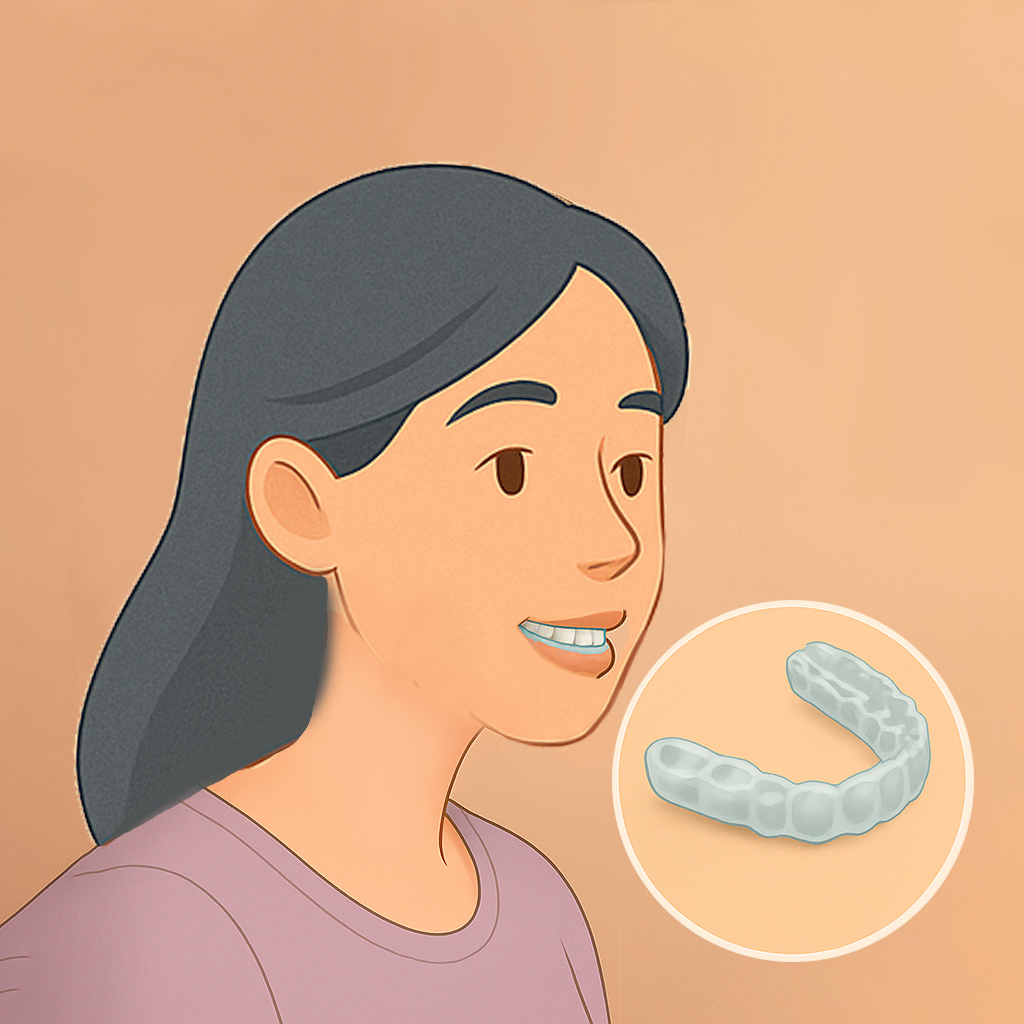
Custom-made guards protect teeth from grinding and help reposition the jaw during sleep, easing muscle tension and preventing joint strain. These appliances reduce clenching and improve bite balance. They are a non-invasive and well-tolerated solution for many TMD patients, especially when combined with other supportive therapies like physiotherapy or breathing work.
Daily Habits That Worsen TMD
Frequent gum chewing, nail biting, poor posture, and clenching the jaw during stress can worsen TMD symptoms. Sleeping on your stomach or resting your chin in your hands also adds pressure to the joint. Being mindful of these habits and making small adjustments can significantly reduce strain and promote healing over time.
Avoid hard, chewy, or sticky foods like nuts, chewing gum, bagels, or tough meats. These can strain the jaw and worsen inflammation. Soft, easy-to-chew meals reduce joint pressure and discomfort. Eating mindfully and choosing a supportive diet during TMD treatment helps reduce flare-ups and encourages smoother jaw function.
COST
The cost of TMD treatment varies based on the severity of the condition and the therapies involved. Advanced therapies (laser, neuromuscular devices, or occlusal adjustments) may increase the costs. Also the the doctor may refer the patient to an osteopath or physiotherapist if needed. A personalized consultation helps determine the most effective and cost-appropriate plan for each patient.
Treatment duration varies based on the severity of the disorder and the chosen method. Most patients begin to feel relief within weeks of starting therapy, but full recovery may take several months. Chronic or complex cases may require ongoing management. Consistency with recommended practices greatly influences how quickly results are seen.
DURATION
Individual treatment planning.
Orthodontic treatment is planned according to each patient’s individual clinical needs. A detailed consultation and examination are required to determine the appropriate approach.
Contact