
Orthodontic Assessment in Kadıköy
At our clinic in Caddebostan, Kadıköy, we provide orthodontic assessments and personalised treatment planning for children, teenagers and adults. Tooth alignment, the relationship between the upper and lower jaws, bite, oral health and facial structure are evaluated together to determine the orthodontic options that may be appropriate for each patient.
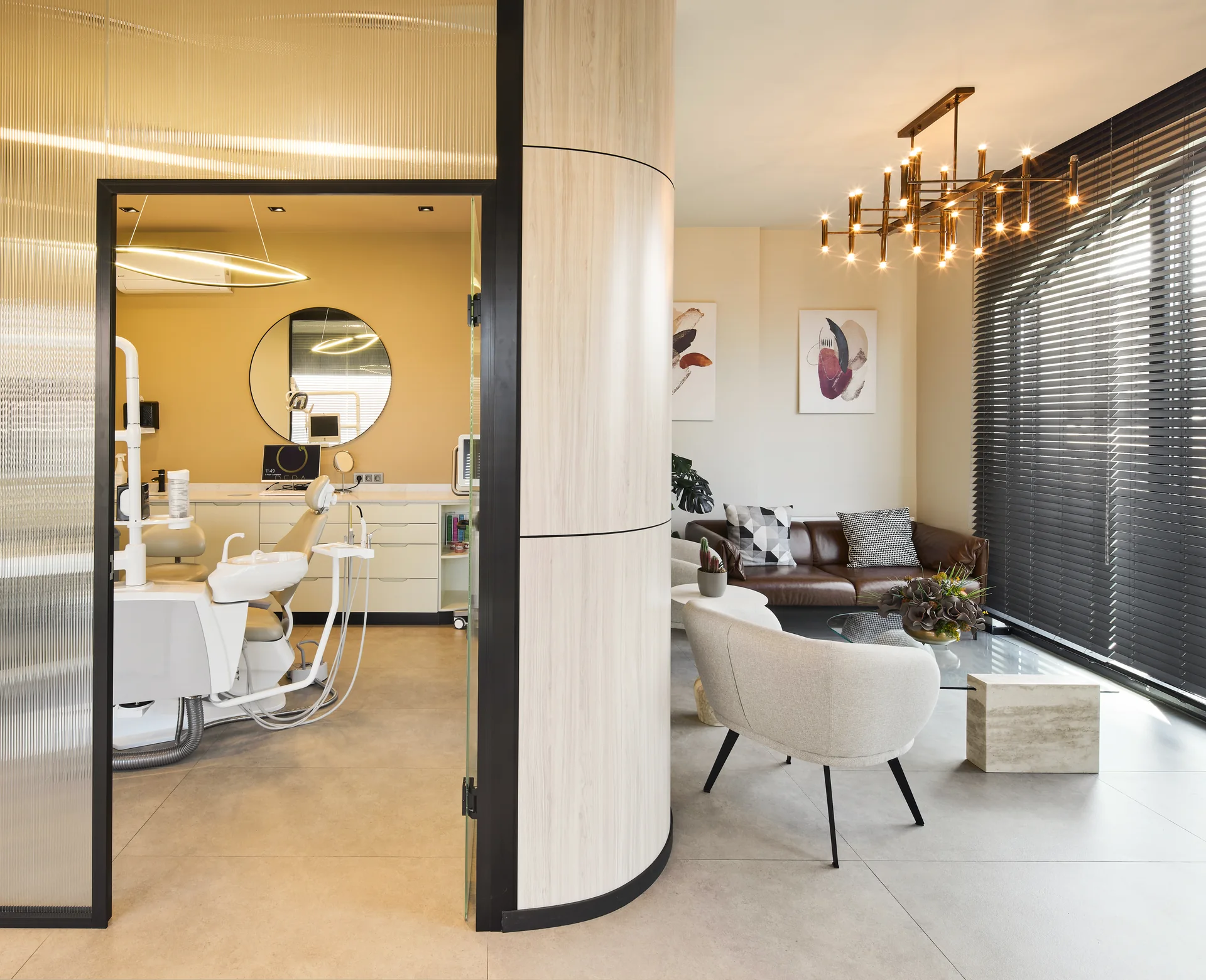
What does an orthodontic assessment involve?
An orthodontic assessment is not limited to checking whether the teeth are straight. Tooth position, bite relationships, the position of the upper and lower jaws, the health of the gums and supporting tissues, and facial structure are evaluated together.
During the initial consultation, the patient’s concerns and expectations are discussed. Following the clinical examination, intraoral and facial photographs, digital scans or models, and radiographic records may be requested when necessary.
These records are used not only to understand the current condition but also to determine the possible treatment options, timing and follow-up requirements.
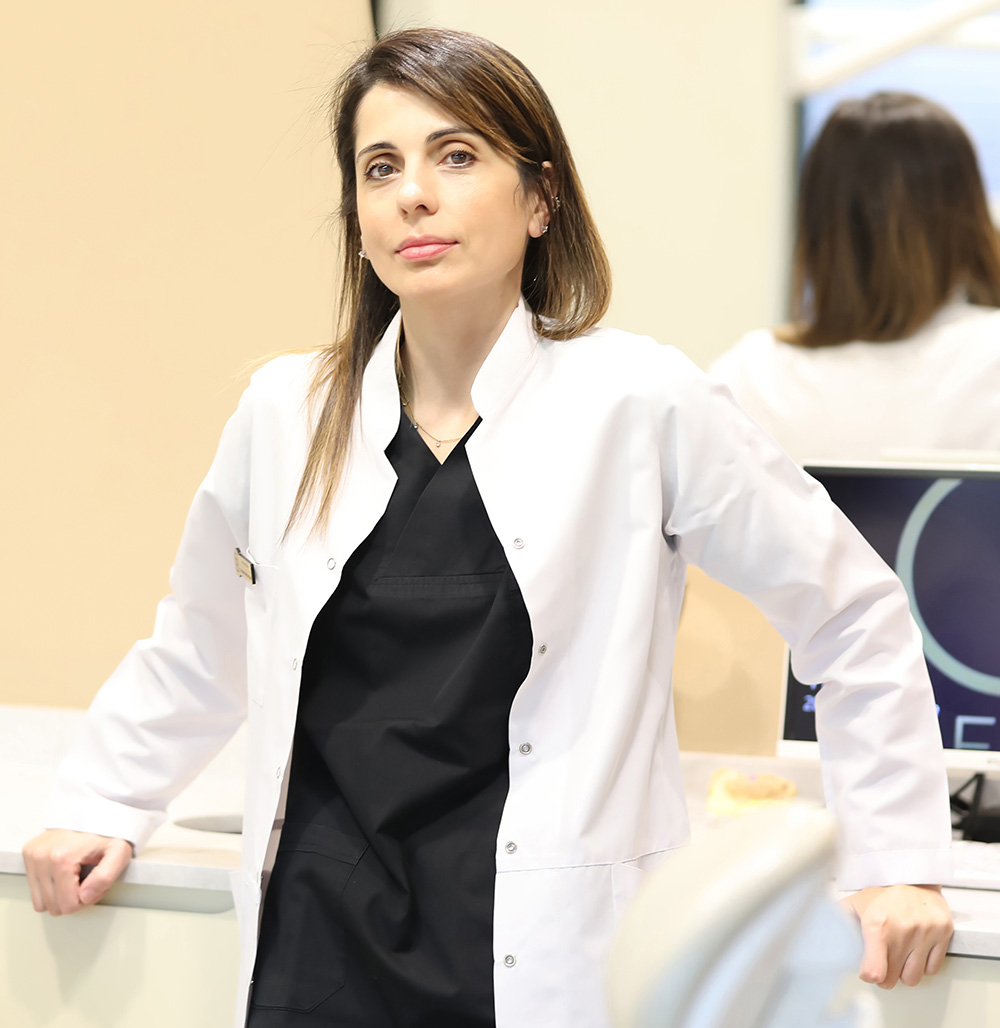
How is the first orthodontic consultation planned?
During the first consultation, tooth alignment, bite relationships, jaw relationships and oral tissues are examined clinically. Previous dental treatments, general health information and the patient’s expectations from orthodontic treatment are also considered.
Once the necessary diagnostic records have been obtained, the nature of the orthodontic problem and the need for treatment can be evaluated. Clear aligners, fixed braces, growth-related functional approaches or treatments coordinated with other disciplines may be considered depending on the individual case.
The final treatment method and estimated duration are not determined from photographs or general averages alone. They are based on the patient’s clinical findings and diagnostic records.
When may an orthodontic assessment be recommended?
The following findings may be reasons to seek an orthodontic assessment:
- Crowded, rotated or spaced teeth
- Discrepancies in the way the upper and lower teeth meet
- Deep bite, open bite or crossbite
- An upper or lower jaw that appears noticeably forward or backward
- Delayed eruption or insufficient space for permanent teeth
- Concerns regarding jaw development in children
- Tooth movement following previous orthodontic treatment
- A feeling of imbalance during chewing or biting
The presence of one of these findings does not automatically mean that a specific treatment is required. The appropriate approach can only be determined after clinical examination and evaluation of the necessary diagnostic records.
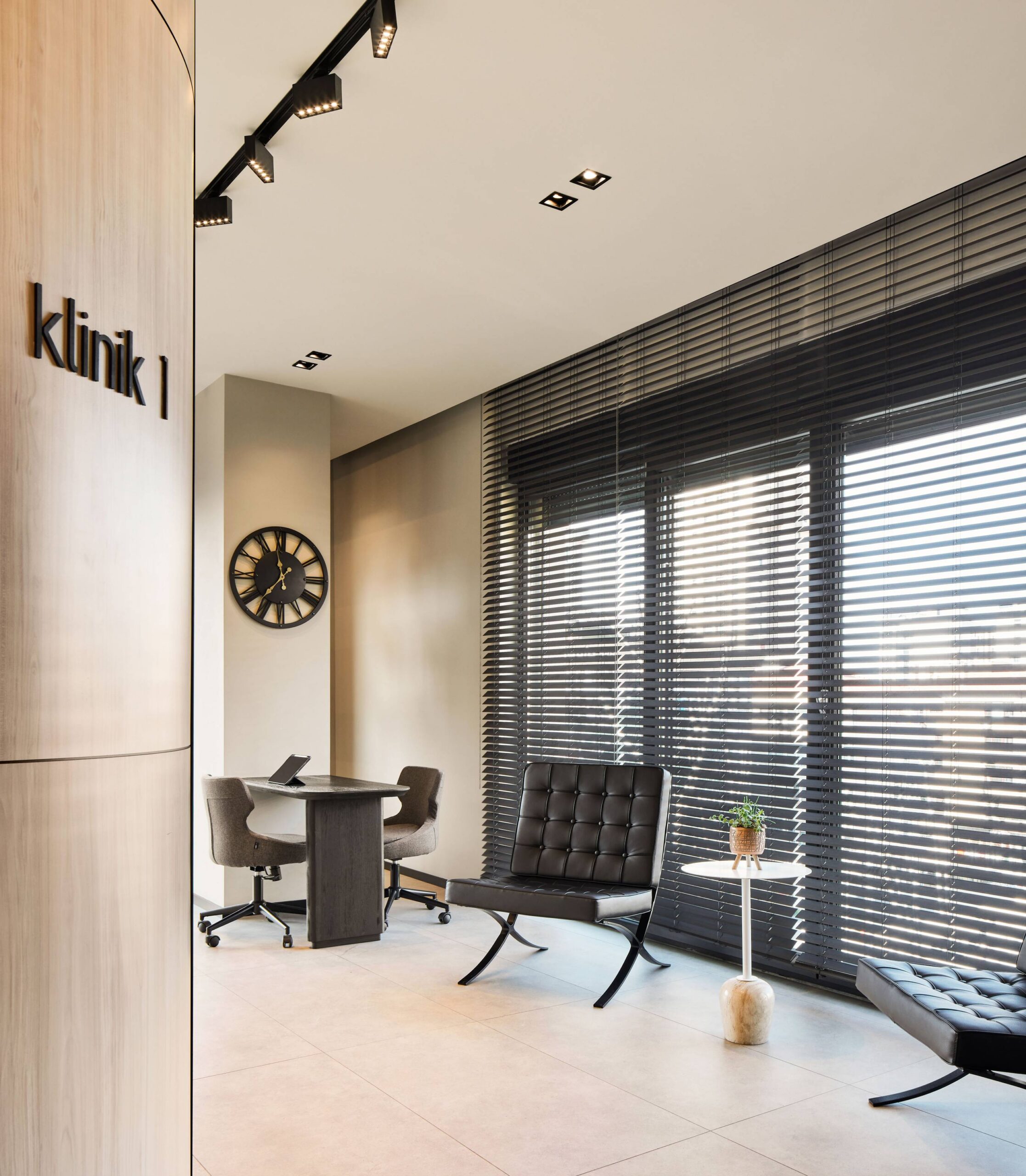
Orthodontist Dr. Esma Kuriş Baştan
Dr. Esma Kuriş Baştan graduated from Istanbul University Faculty of Dentistry and completed her orthodontic education at New York University. Following her professional experience in New York and Istanbul, she continues her practice at her clinic in Caddebostan.
Dr. Esma Kuriş Baştan evaluates children, teenagers and adults for orthodontic treatment. Her clinical work includes Invisalign clear aligner treatment, fixed braces, orthodontics for children, functional orthodontics, orthodontic assessment of temporomandibular joint-related problems and orthodontic planning before and after orthognathic surgery.
Treatment planning considers not only the appearance of the teeth but also function, bite, oral health, jaw relationships and the patient’s day-to-day needs.
Invisalign and clear aligner treatment
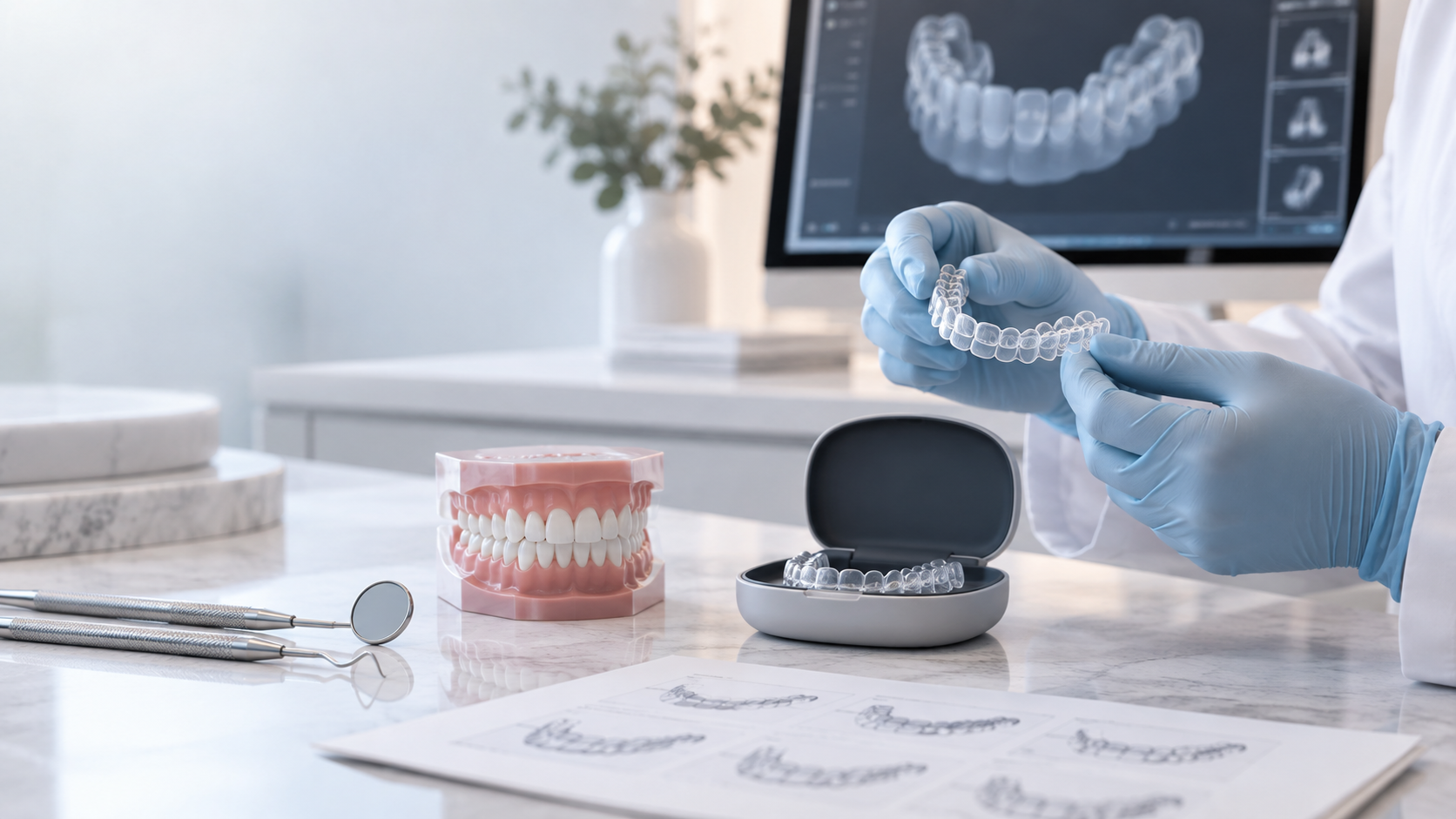
Invisalign and other clear aligner systems use a series of individually prepared removable aligners to move the teeth gradually towards their planned positions.
Because clear aligners are less noticeable and can be removed for meals and oral hygiene, they may offer a different option for everyday life. However, treatment progress also depends on wearing the aligners according to the recommended schedule.
Whether Invisalign is suitable depends on tooth position, the type of bite problem, jaw relationships, oral health and the range of movements required.
Braces and fixed orthodontic treatment
In fixed orthodontic treatment, controlled tooth movements are planned using brackets and archwires attached to the teeth. The suitability of metal or aesthetic brackets is assessed according to the patient’s orthodontic problem and treatment objectives.
Braces may be used for a variety of tooth alignment and bite problems in children, teenagers and adults. Maintaining oral hygiene, attending regular follow-up appointments and using any prescribed auxiliary appliances are important throughout treatment.
Orthodontic assessment for children
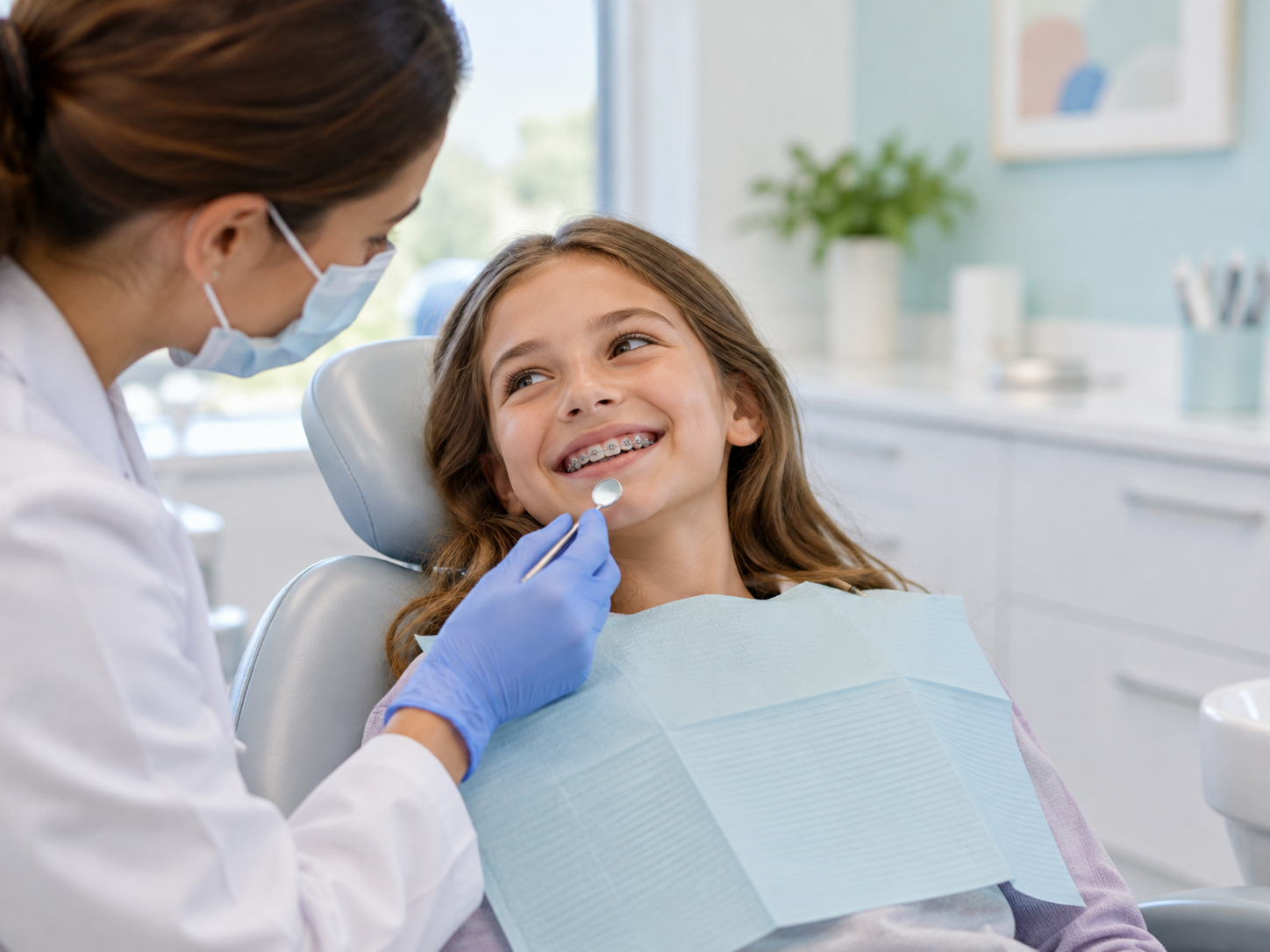
Orthodontic assessment during childhood considers not only tooth alignment but also the development of primary and permanent teeth, jaw growth and bite relationships.
An early orthodontic assessment does not mean that treatment must begin immediately. In some children, monitoring growth and dental development at regular intervals may be sufficient, while other cases may benefit from treatment planned around the growth period.
Crossbite, noticeable jaw discrepancies, lack of space for permanent teeth or eruption problems are among the findings that may require assessment.
Functional orthodontics and growth assessment
In children and teenagers who are still growing, certain jaw relationships may be evaluated in the context of growth and development. Functional orthodontic approaches can form part of a treatment plan for selected patients where jaw growth and bite relationships need to be managed.
The type of appliance and timing of treatment are not the same for every child. Growth stage, jaw relationships, dental development and patient cooperation are considered together.
Orthodontic assessment of the jaw joint and bite
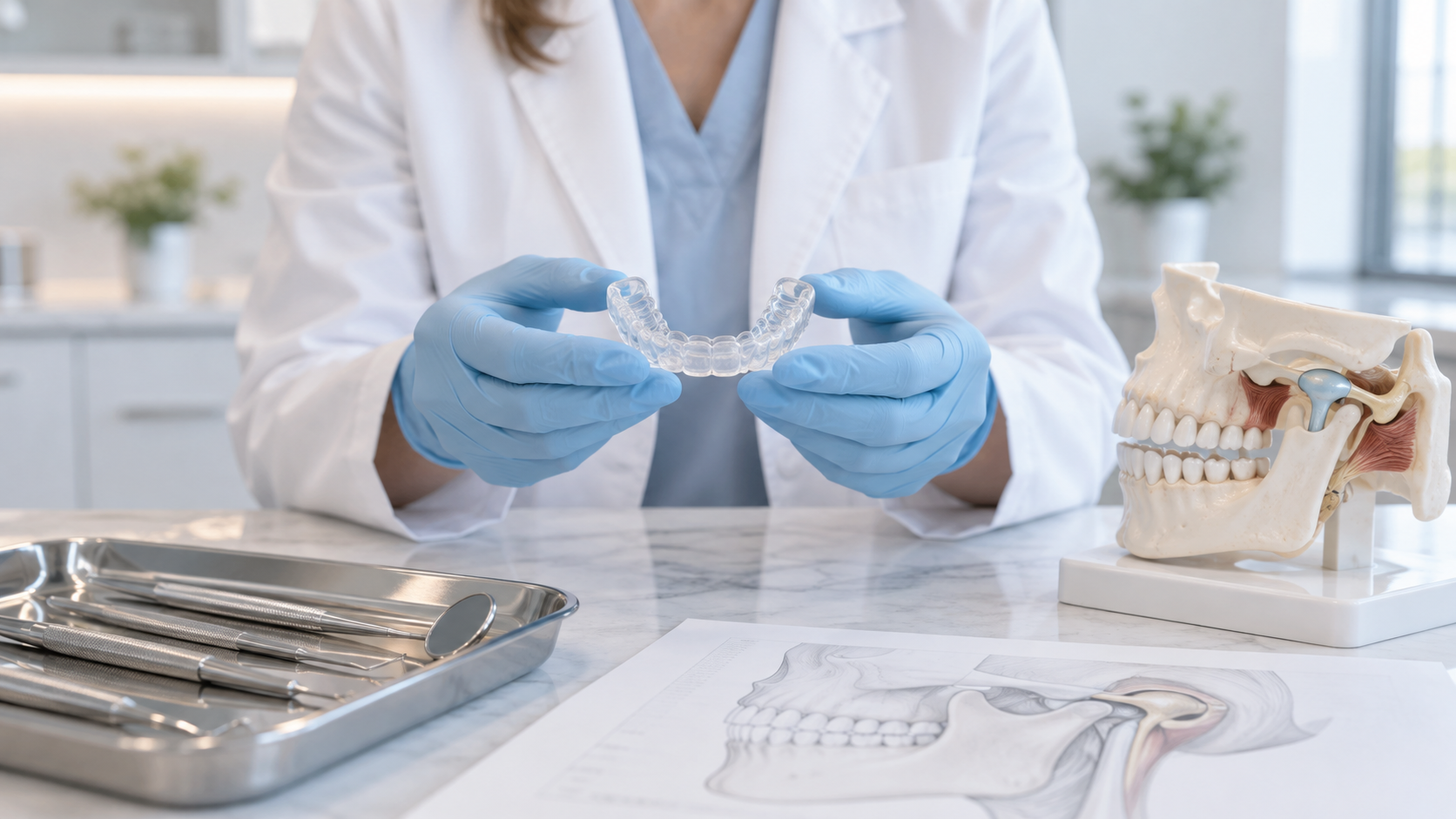
Pain, sounds, restricted movement or discomfort while chewing around the temporomandibular joint can arise for different reasons. Assessment may include the patient’s history, jaw movements, muscles and the way the teeth meet.
Not every jaw joint complaint requires orthodontic treatment. When necessary, assessment may be coordinated with other dental or medical disciplines.
Orthodontic planning with orthognathic surgery
In adults with significant skeletal jaw discrepancies that cannot be corrected with tooth movement alone, orthodontic treatment may sometimes be planned together with orthognathic surgery.
In these cases, orthodontic preparation, surgical planning and post-surgical tooth movements are coordinated. The need for this approach is determined by evaluating facial and jaw structure, bite relationships, radiographic records and the patient’s treatment goals.
Visiting our clinic in Caddebostan
Our clinic is located in Caddebostan, Kadıköy, close to Bağdat Avenue. It can be reached from Caddebostan, Suadiye, Erenköy, Bostancı, Göztepe, Kozyatağı, Fenerbahçe, Kalamış and surrounding areas.
Address:
Caddebostan Mahallesi, Bağdat Caddesi, Kantarcı Rıza Sokak, Seyran Apartmanı No: 1, Floor: 4, Apartment: 7, Kadıköy / Istanbul
Phone:
+90 505 418 33 11
WhatsApp:
+90 505 418 33 11

Orthodontic assessment in Kadıköy and surrounding areas
At our Caddebostan clinic, orthodontic assessments are planned individually for children, teenagers and adults visiting from Kadıköy, Caddebostan, Suadiye, Erenköy, Bostancı, Göztepe, Kozyatağı, Fenerbahçe, Kalamış and other parts of Istanbul.
During the initial consultation, the patient’s expectations are discussed and tooth alignment, bite relationships, jaw relationships and oral health are evaluated. Invisalign, fixed braces and other orthodontic options can be discussed where clinically appropriate.
The treatment method is selected according to clinical requirements and planned tooth movements rather than appearance or personal preference alone.
Frequently asked questions
Do I need a referral for an orthodontic consultation?
You can request an orthodontic consultation directly. If you have previous X-rays or orthodontic treatment records, you may bring them with you to the appointment.
Is Invisalign or braces more suitable?
Both approaches may be suitable for selected patients. The choice is based on the tooth movements required, bite problem, treatment objectives, oral health and patient cooperation.
Can adults have orthodontic treatment?
Orthodontic treatment can be planned for adults when the bone and gum tissues supporting the teeth are suitable. Age alone is not a barrier to treatment.
When should children have an orthodontic assessment?
Children may be assessed when there are concerns regarding tooth eruption, jaw development or bite relationships. An initial consultation does not necessarily mean treatment will begin immediately; growth and dental development may simply be monitored when appropriate.
How long does orthodontic treatment take?
Treatment duration varies according to the complexity of the orthodontic problem, treatment method, planned tooth movements and patient cooperation. An individual estimate can be provided after the necessary diagnostic records have been evaluated.
Can patients visit from outside Kadıköy?
Yes. Patients from different districts of Istanbul can visit our clinic in Caddebostan. The frequency of appointments and follow-up schedule depend on the individual treatment plan.


Personalised orthodontic assessment.
Orthodontic treatment is planned according to each patient’s tooth alignment, bite, jaw relationships, oral health and day-to-day needs.
You can contact our clinic in Caddebostan to discuss orthodontic treatment options for you or your child and learn more about the assessment process.
Contact & Appointment Get Information via WhatsAppThe information on this page is provided for general informational purposes and does not replace a clinical examination, diagnosis or personalised treatment recommendation.
