Orthodontics for Kids
Orthodontics for kids focuses on guiding the growth and development of a child’s jaw and teeth. The goal is to detect and treat alignment or bite issues early, while the bones are still developing. This proactive approach can reduce the need for more complex treatments later in life.
What Is ORTHODONTICS FOr KIDS?
Orthodontics for kids focuses on guiding the growth and development of a child’s jaw and teeth. The goal is to detect and treat alignment or bite issues early, while the bones are still developing. This proactive approach can reduce the need for more complex treatments later in life.
When Should a Child First See an Orthodontist?
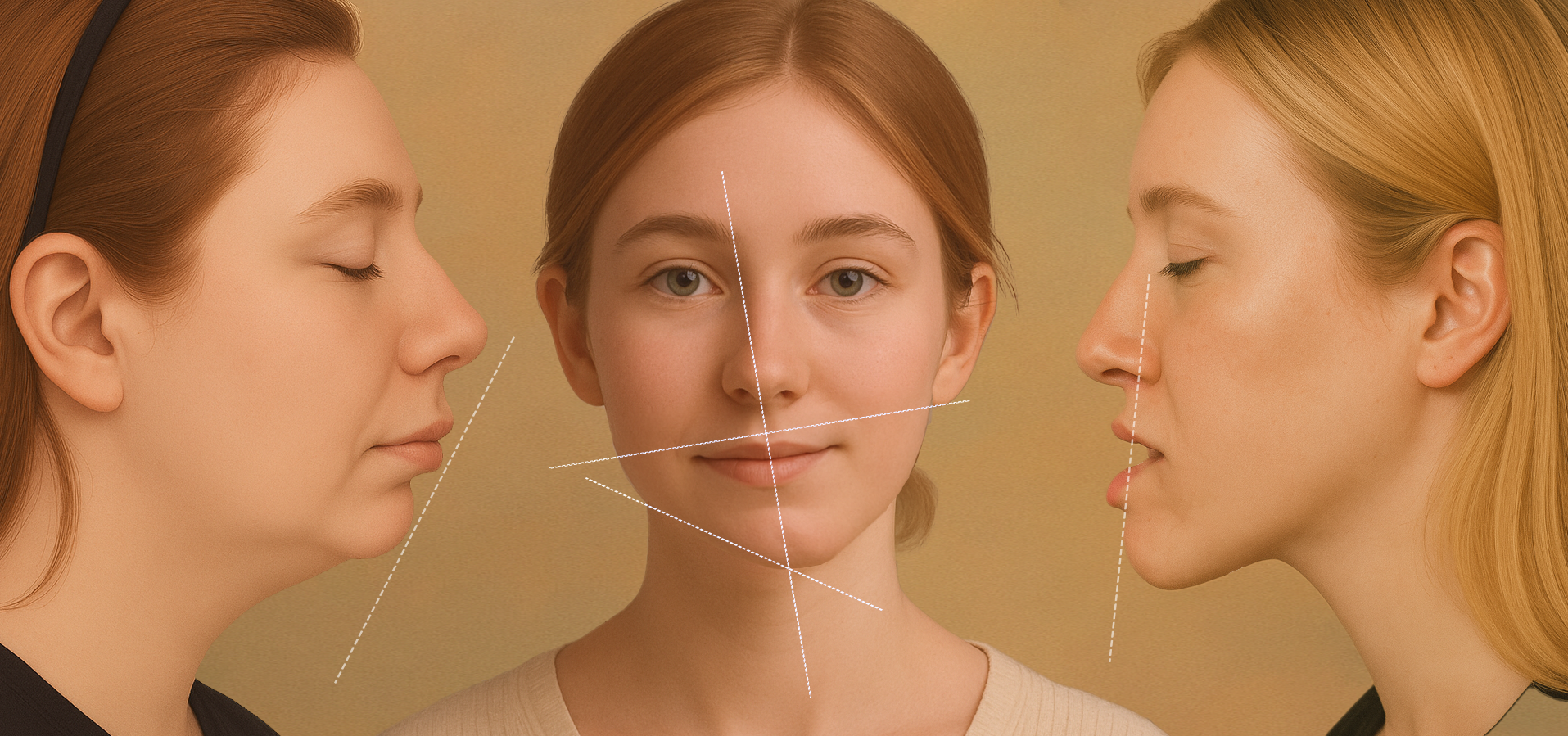
According to the American Association of Orthodontists, children should have their first check-up by age 7. At this stage, orthodontists can spot early signs of crowding, bite problems, or jaw misalignment—even if baby teeth are still present.
Step-by-Step Journey to orthodontıcs for kıds
Orthodontic care begins with an early consultation around age 7 to assess jaw growth and bite alignment. Diagnostic records like X-rays and scans help create a personalized plan. Depending on the issue, braces or appliances are placed to guide development. Regular check-ups ensure progress. After active treatment, appliances are removed and retainers are used to preserve results. Early intervention supports healthy growth, proper function, and a confident smile.
Common Orthodontic Issues in Children
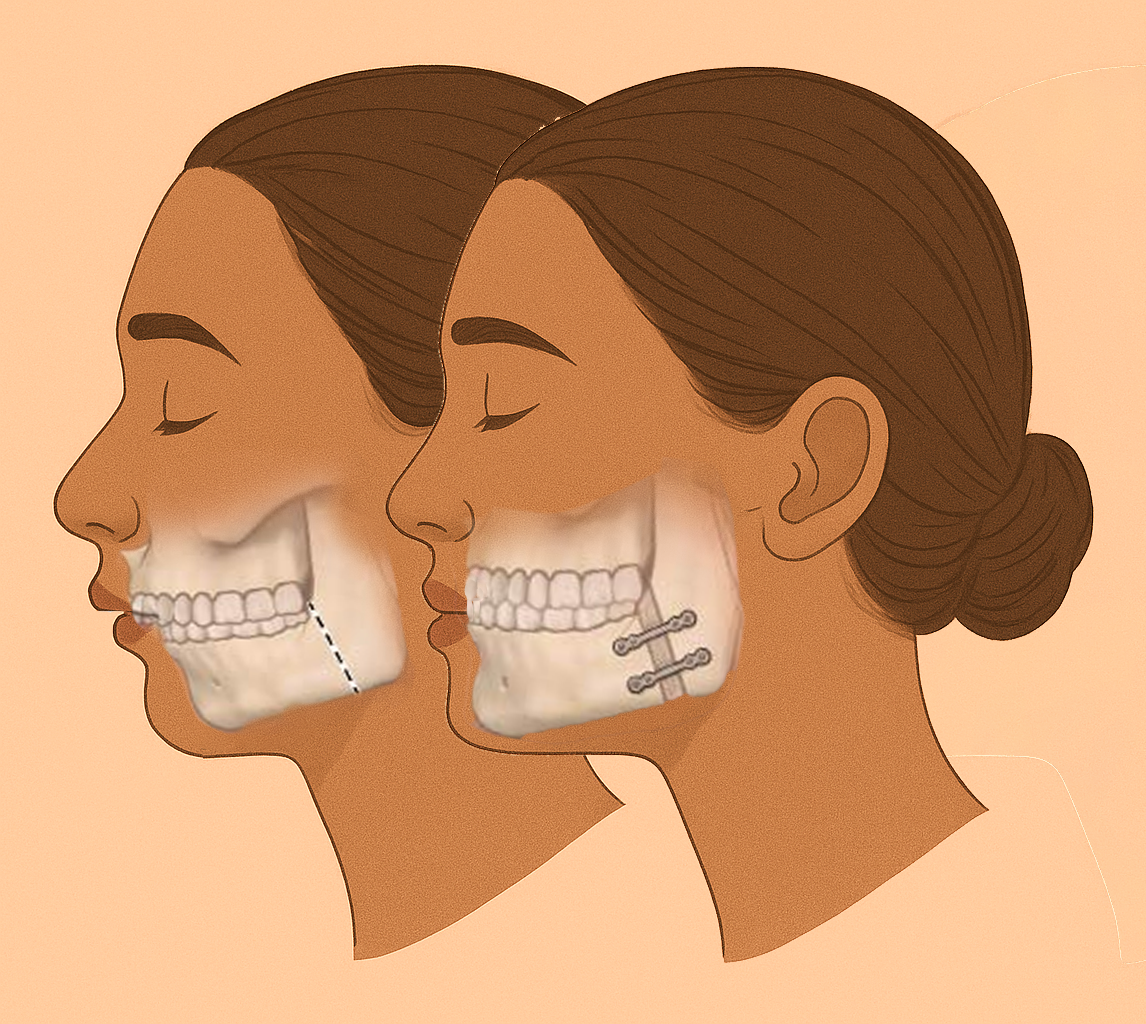
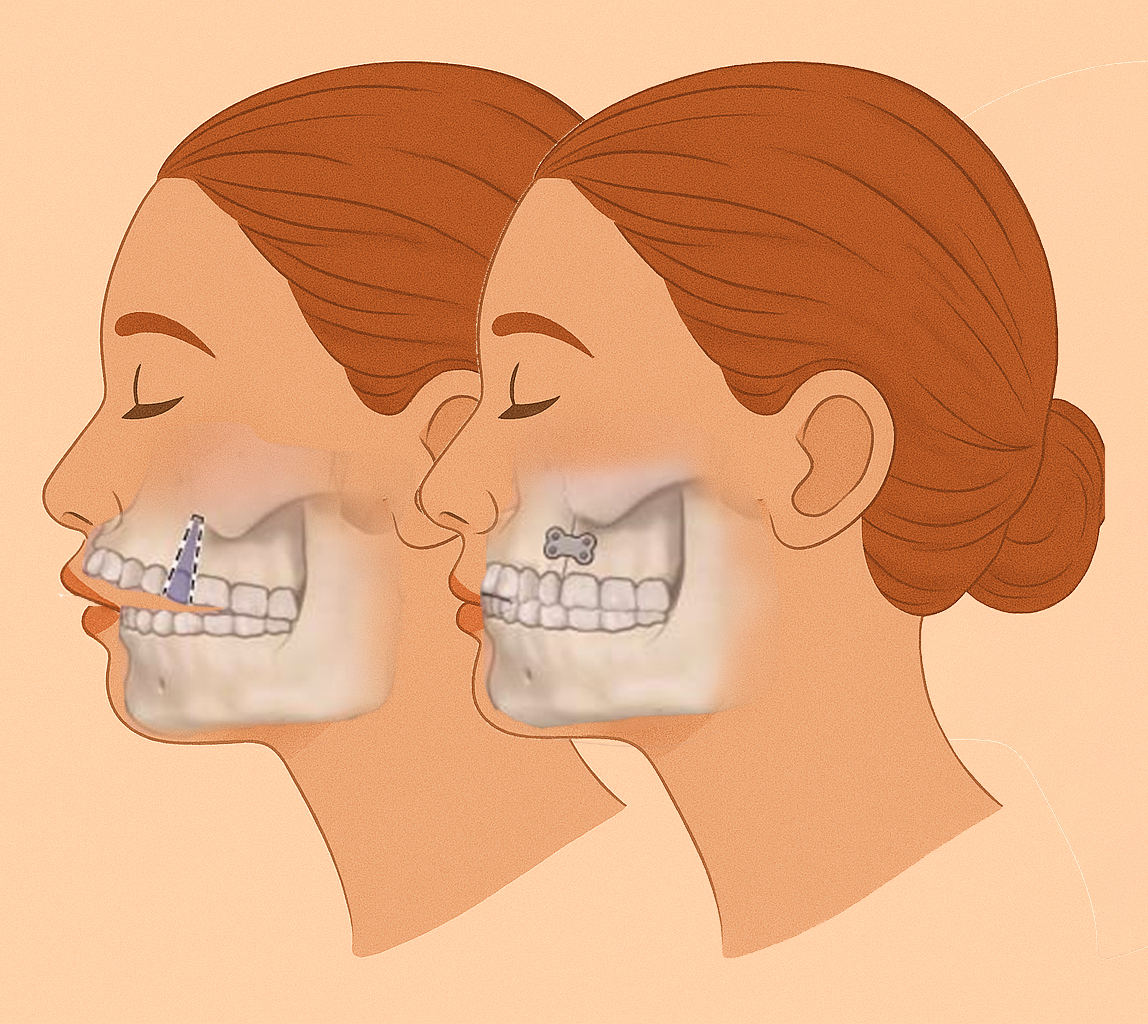
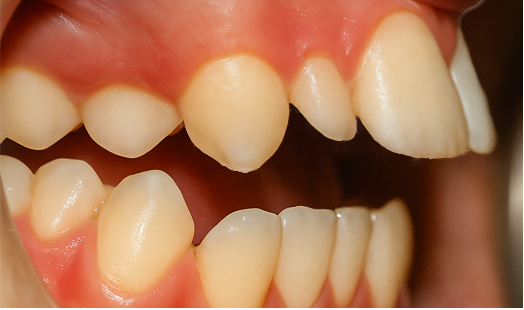
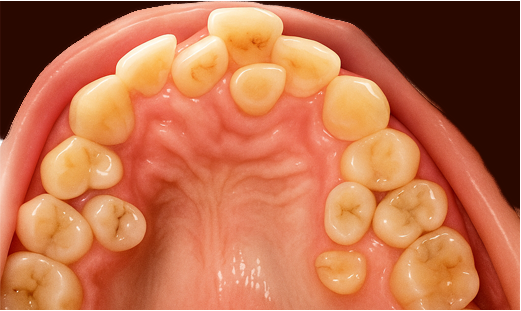
Crowded teeth, open bite, deep bite, and crossbite are common orthodontic issues in children. These may be caused by genetic factors, prolonged thumb sucking, tongue thrusting, or premature loss of baby teeth. If left untreated, they can lead to difficulties in chewing, speech problems, and self-esteem challenges.
Early evaluation—typically around age 7—allows orthodontists to detect these problems early and guide proper jaw growth with minimal intervention. Interceptive treatments such as space maintainers, expanders, or partial braces can simplify later orthodontic care. Early action leads to better outcomes, supporting healthy development and a more confident, functional smile.
Types of Appliances Used in Orthodontics for KIDS
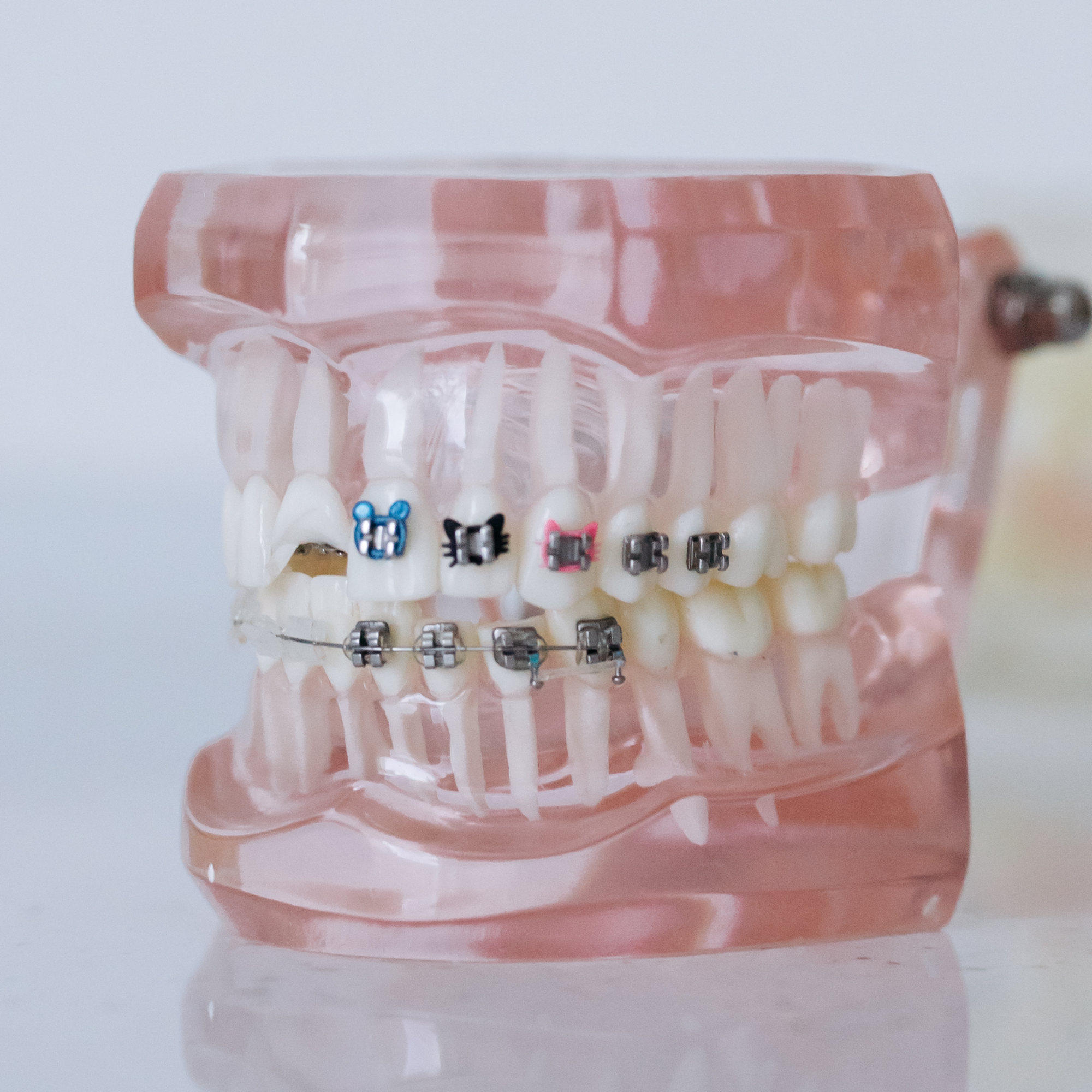
Treatment options for children may include invisalign, expanders, space maintainers, functional appliances, or partial braces, depending on their specific orthodontic needs. Expanders help widen the jaw to create room for teeth, while space maintainers hold space open for permanent teeth after early tooth loss.
Functional appliances guide proper jaw growth and improve bite alignment. Partial braces may be used to correct early misalignments. Each appliance is custom-made for the child and designed to be safe, comfortable, and easy to wear. These early interventions can significantly reduce the need for complex treatments later, ensuring healthier and properly aligned teeth in the future.
COST
The cost of pediatric orthodontic treatment varies depending on the complexity of the case, duration, and type of appliance used. Early treatments like space maintainers or partial braces are often more affordable than full orthodontic work later. Investing in early intervention can prevent more extensive and expensive treatments in the future.
Depending on the child's age and the complexity of the issue, early orthodontic treatments usually last 6 to 18 months. Some children may require a second phase during teenage years, but early intervention often shortens or simplifies future treatment.
DURATION
Individual treatment planning.
Orthodontic treatment is planned according to each patient’s individual clinical needs. A detailed consultation and examination are required to determine the appropriate approach.
Contact