Orthognathic Surgery
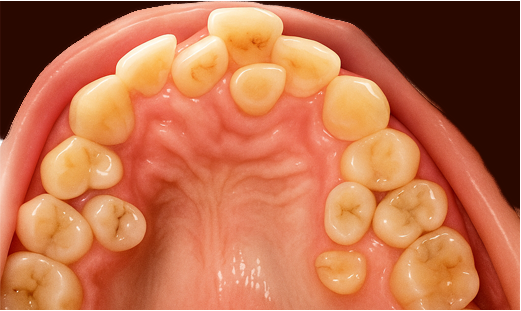
Orthognathic surgery is a corrective procedure that realigns the jaws to improve function, bite, and facial appearance. It treats issues like overbite, underbite, open bite, and jaw asymmetry. This surgery is often combined with orthodontics and helps restore both health and harmony in jaw structure, chewing, speaking, and breathing .
What Is Orthognathic Surgery?
Orthognathic surgery is a corrective procedure that realigns the jaws to improve function, bite, and facial appearance. It treats issues like overbite, underbite, open bite, and jaw asymmetry. This surgery is often combined with orthodontics and helps restore both health and harmony in jaw structure, chewing, speaking, and breathing .
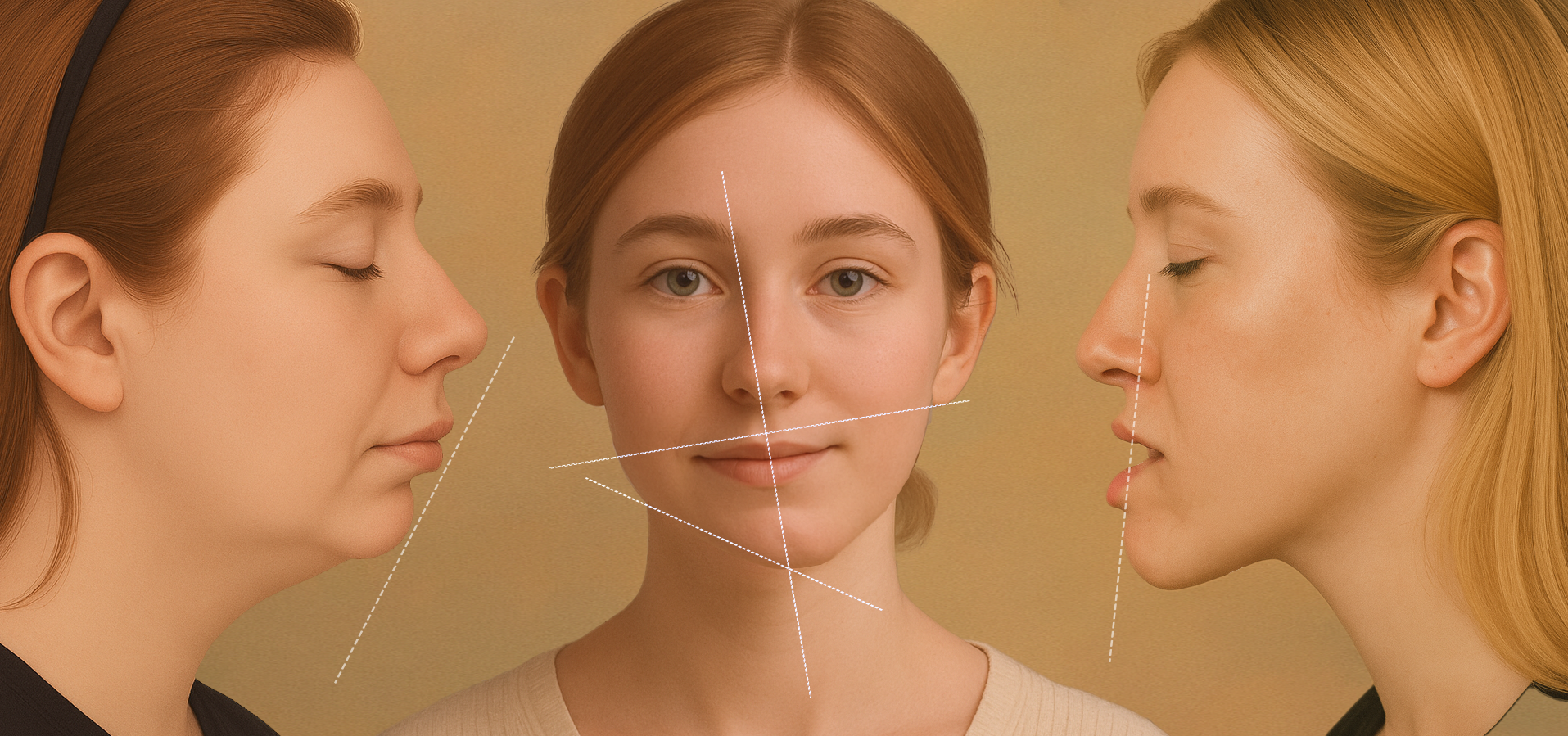
Orthognathic surgery reshapes the lower third of the face . Patients often notice enhanced facial harmony , improved profile , and a more balanced jawline . Changes can be subtle or significant, but the goal is always natural symmetry. Many patients report increased self-esteem and satisfaction with their new appearance.
Step-by-Step Journey to Orthognatic Surgery
The journey begins with a detailed diagnosis , followed by orthodontic treatment to align the teeth. Once ready, the patient undergoes surgery to reposition the jaw bones. After a healing period, post-surgical orthodontics refine the bite. The full process takes 12–24 months , resulting in a healthy bite and improved facial balance .
Who Needs ORTHOGNATIC Surgery?
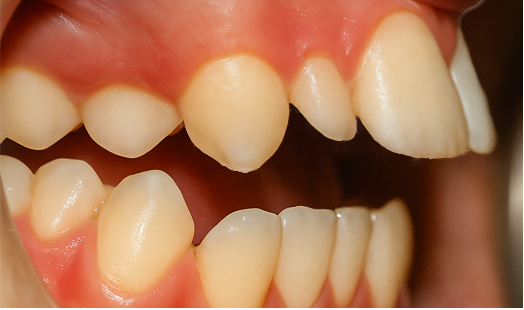
Orthognatic surgery is recommended for patients with significant skeletal discrepancies that braces alone can’t fix. This includes those with bite issues, chronic jaw pain, facial imbalance, or breathing difficulties like sleep apnea. It’s commonly performed on young adults after jaw growth is complete, but adults of all ages can benefit.
This surgery enhances both function and aesthetics. Patients experience improved bite, speech, breathing, and digestion. It can relieve TMD discomfort and correct facial asymmetry. For many, the results are life-changing—boosting self-confidence and long-term oral health. It combines medical necessity with aesthetic transformation.
TYPES of Orthognatıc surgery
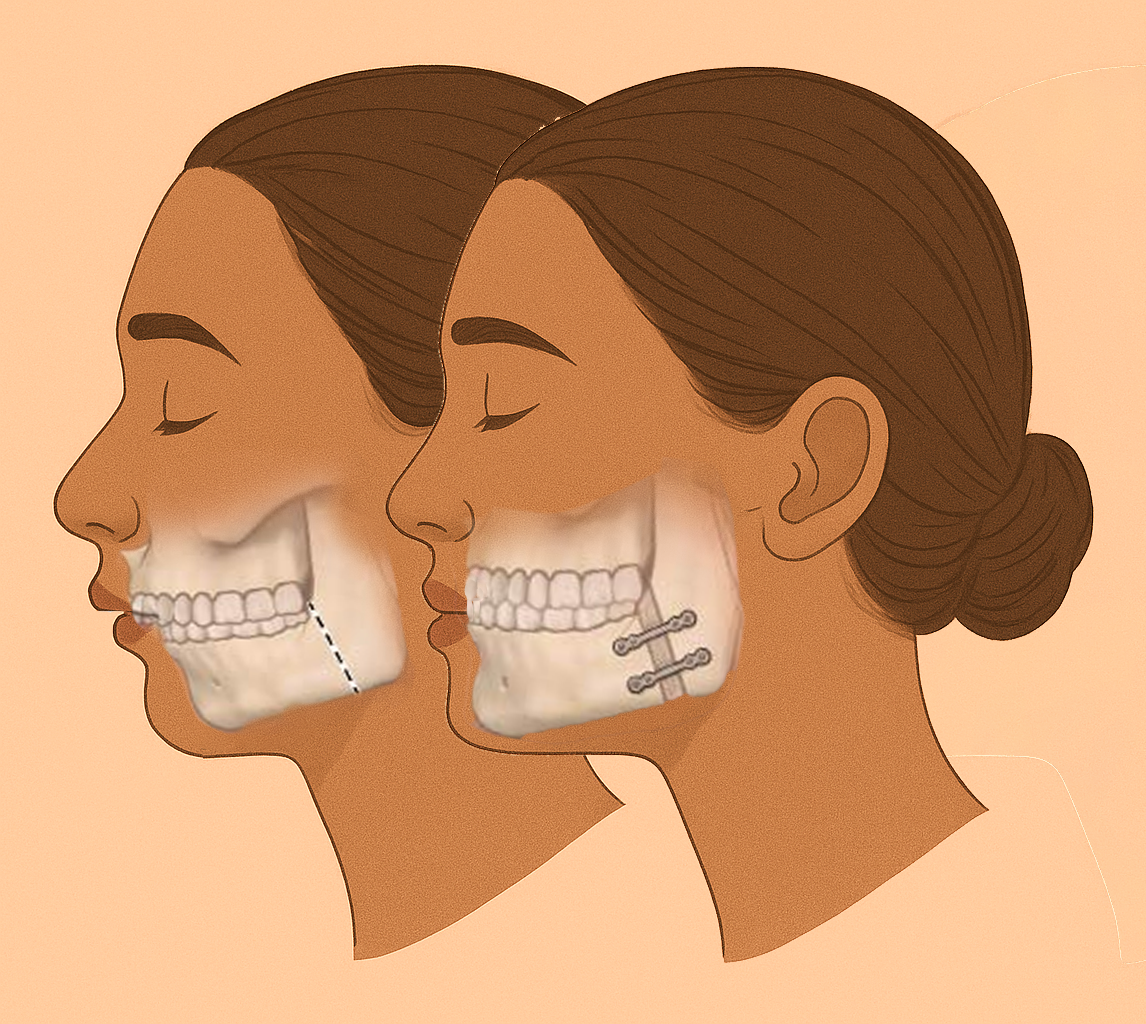
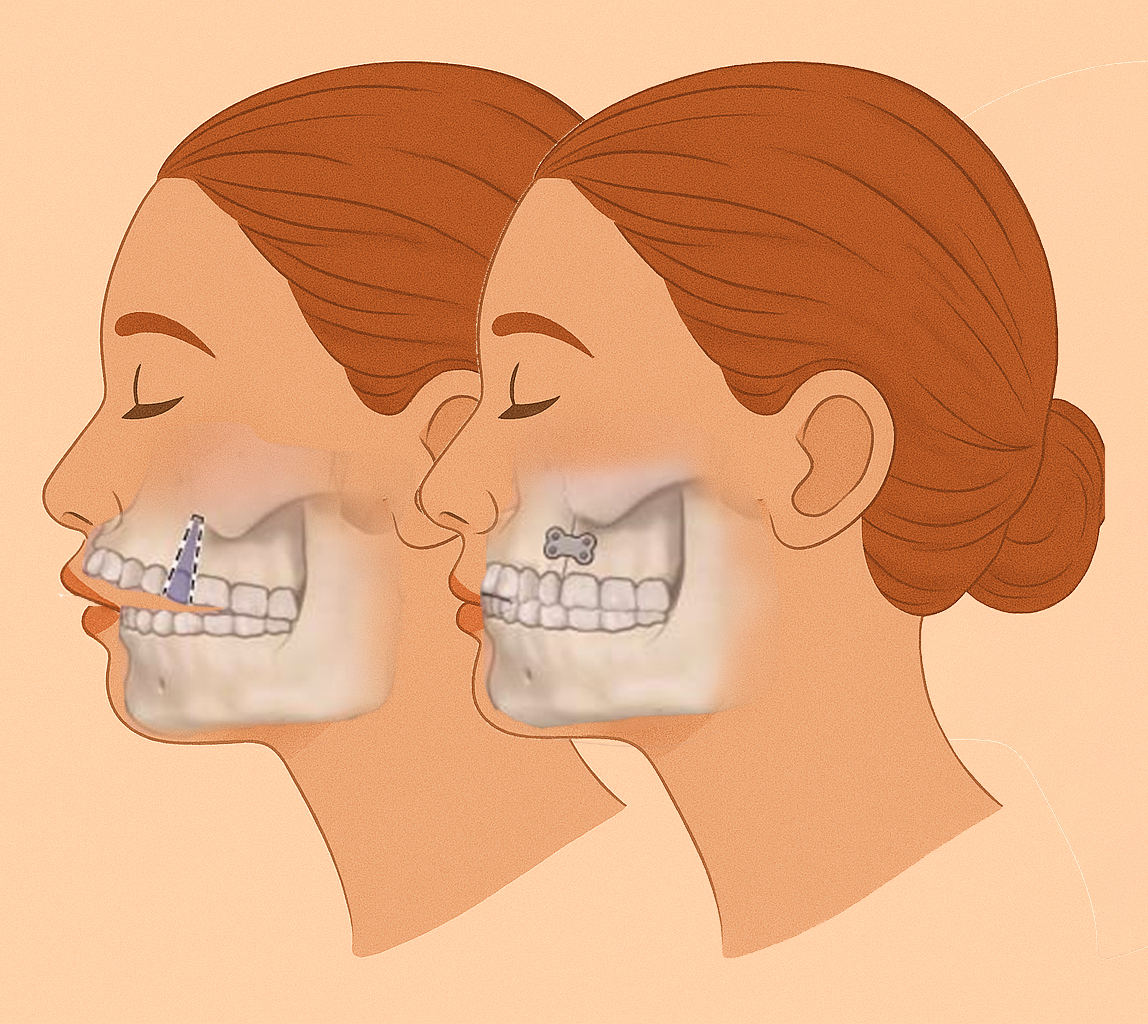
Common types include maxillary (upper jaw), mandibular (lower jaw), and bimaxillary (double jaw) surgeries. Genioplasty may also be done to reshape the chin. Each procedure targets specific structural issues, improving function and symmetry. The chosen technique depends on the patient’s unique anatomy and treatment goals.
COST
Costs vary based on country, hospital, surgeon, and complexity. Treatment includes pre- and post-operative orthodontics, imaging, anesthesia, and follow-ups. Insurance may partially cover it if medically necessary. Consultations help clarify pricing and personalized treatment planning.
Initial recovery takes about 2–4 weeks, during which swelling, bruising, and limited jaw movement are expected. Full healing may take 3–6 months. Soft foods, rest, and proper hygiene support recovery. Most patients return to normal life in 1–2 weeks and see gradual improvements in function and appearance.
DURATION

Individual treatment planning.
Orthodontic treatment is planned according to each patient’s individual clinical needs. A detailed consultation and examination are required to determine the appropriate approach.
Contact