Braces Treatment
Braces treatment is a fixed orthodontic treatment method that uses brackets, archwires and, when necessary, additional orthodontic components to move the teeth and improve bite relationships in a planned manner. Treatment planning is based not only on the appearance of the teeth, but also on the relationship between the upper and lower jaws, oral health, growth and the individual needs of the patient.
What is braces treatment?
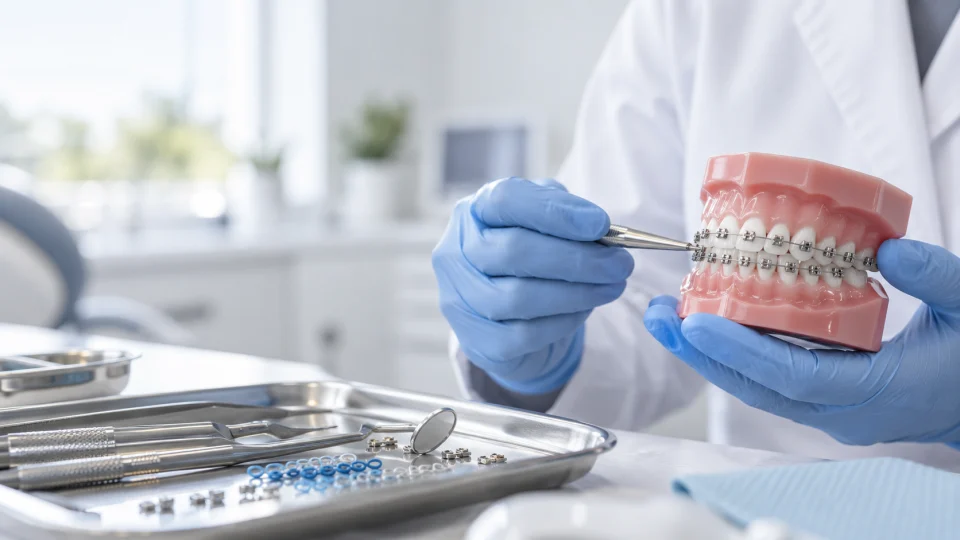
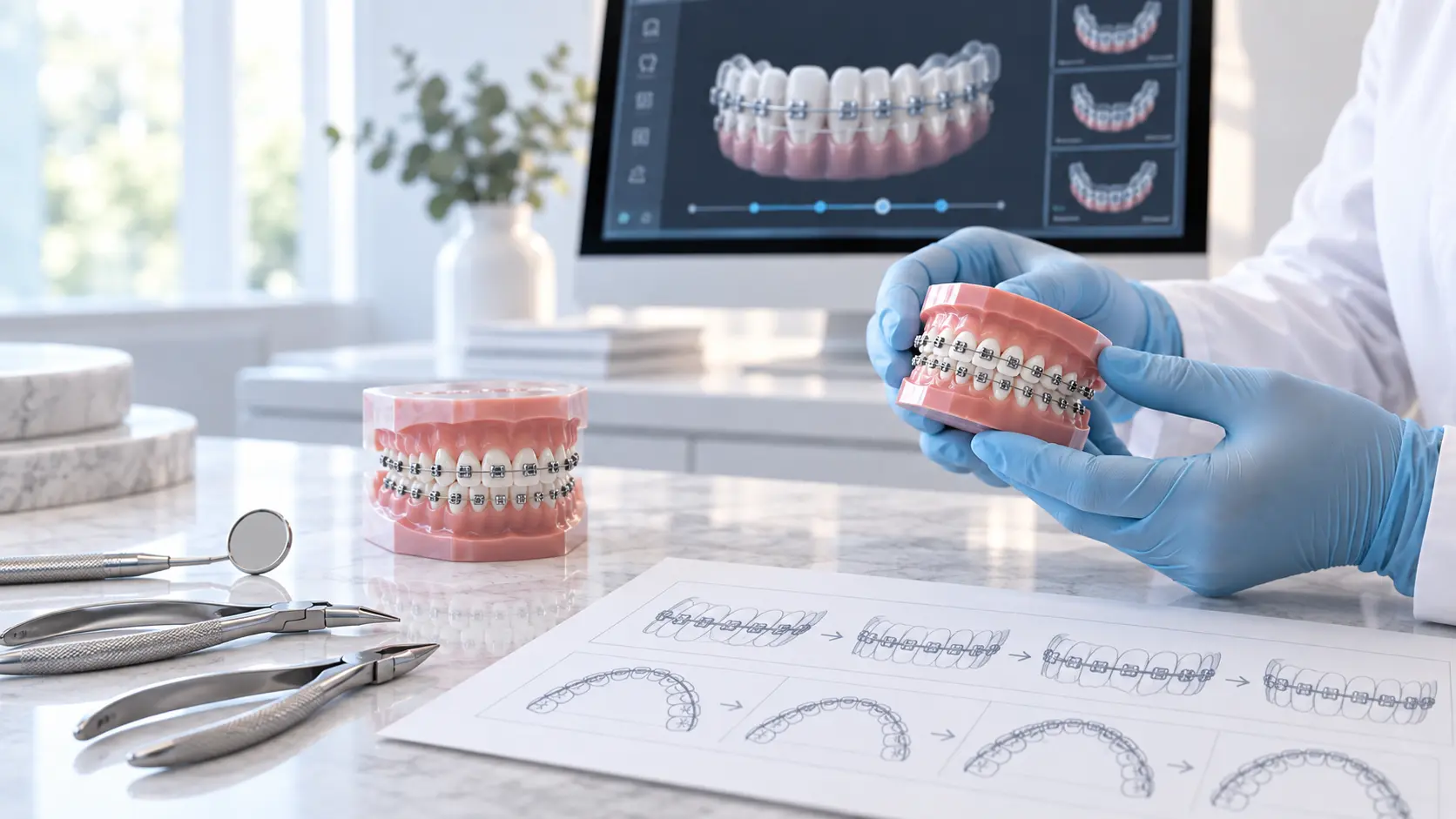
In fixed orthodontic treatment, brackets are bonded to the surfaces of the teeth using special dental materials, and controlled forces are applied to the teeth through archwires that pass through the brackets. As treatment progresses, the wires and auxiliary components may be changed according to the planned tooth movements.
The aim is not simply to create a straighter-looking dental arrangement. Chewing function, the way the teeth contact each other, cleanability, the health of the surrounding tissues and the long-term stability of the result are all considered as part of treatment planning. The type of bracket and the scope of treatment are determined after clinical examination and evaluation of the necessary diagnostic records.
When can braces be used?
Braces may be considered for the management of the following orthodontic problems in suitable patients:
- Crowded, rotated or irregularly positioned teeth
- Spaces between teeth
- Discrepancies in the way the upper and lower teeth meet
- Deep bite, open bite or crossbite
- Upper or lower teeth positioned further forward than expected
- Teeth whose eruption direction or position needs to be monitored
- Tooth movement that has occurred after previous orthodontic treatment
- The need to create or redistribute space before prosthetic, implant or other dental treatment
Orthodontic problems that appear similar may have different causes and treatment requirements. For this reason, it is not appropriate to select a treatment method or establish a definitive treatment plan based on photographs alone.
How is braces treatment planned?
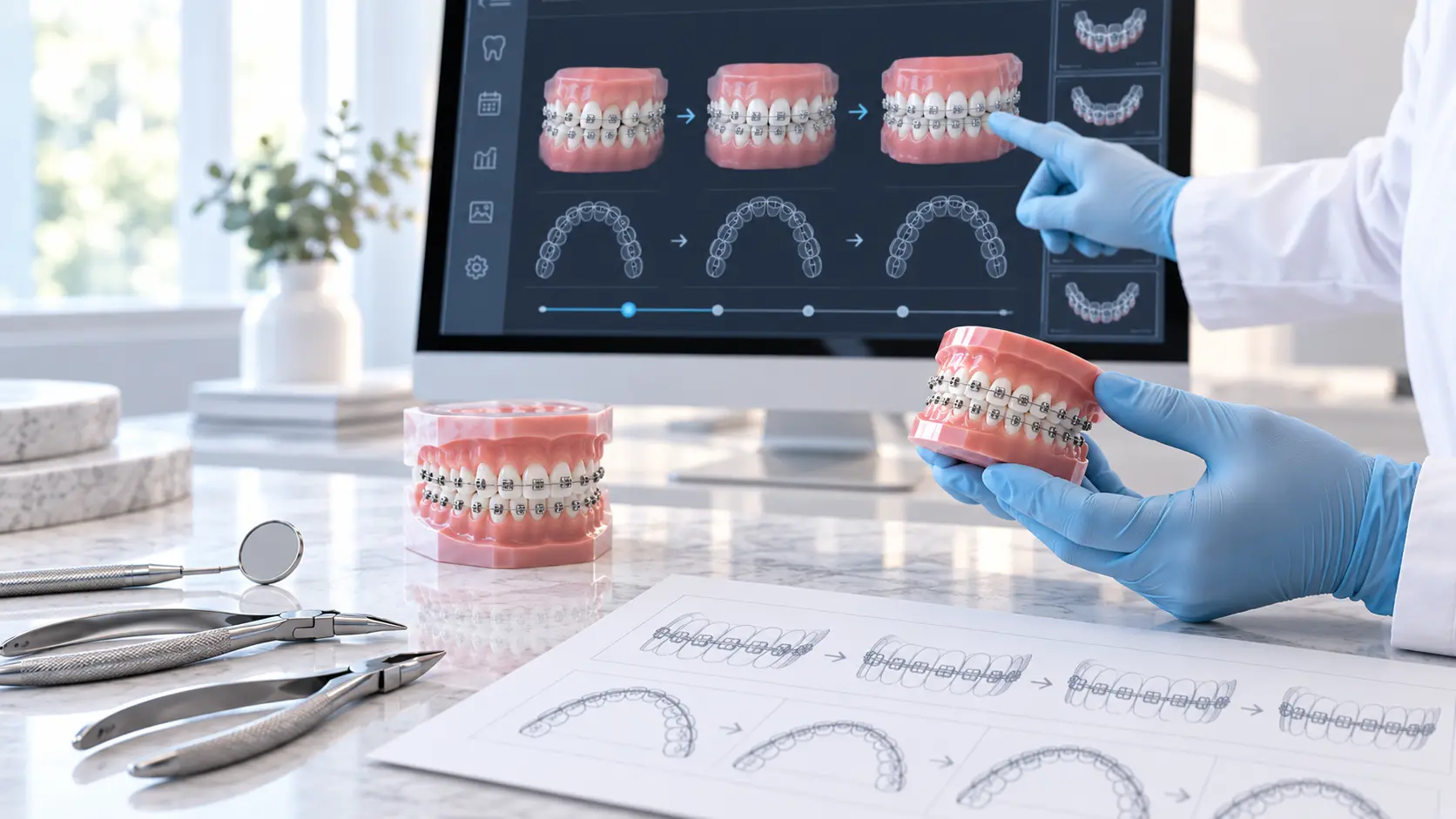
During the initial evaluation, the patient’s concerns, expectations, general health and dental history are reviewed. Tooth alignment, bite relationships, jaw structure, gum health and oral hygiene are examined clinically. Intraoral and facial photographs, digital scans or models, and the necessary radiographic records may be obtained for treatment planning.
These records are used to determine which tooth movements are required, whether fixed treatment will involve one or both arches, and whether additional orthodontic components may be needed. If active tooth decay, gum problems or inadequate oral hygiene are present, these oral health requirements may need to be addressed before orthodontic treatment begins.
Metal and aesthetic bracket options
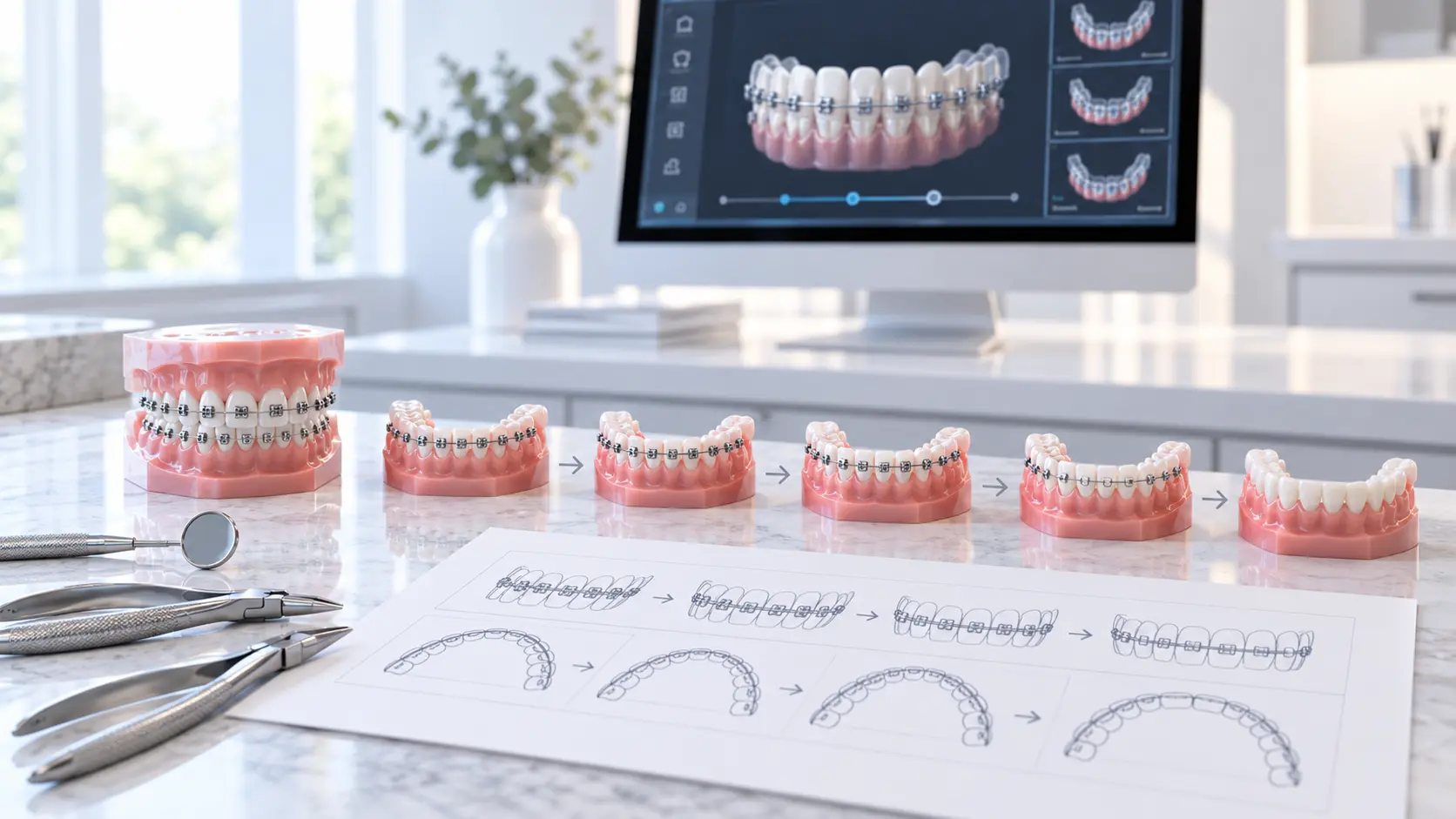
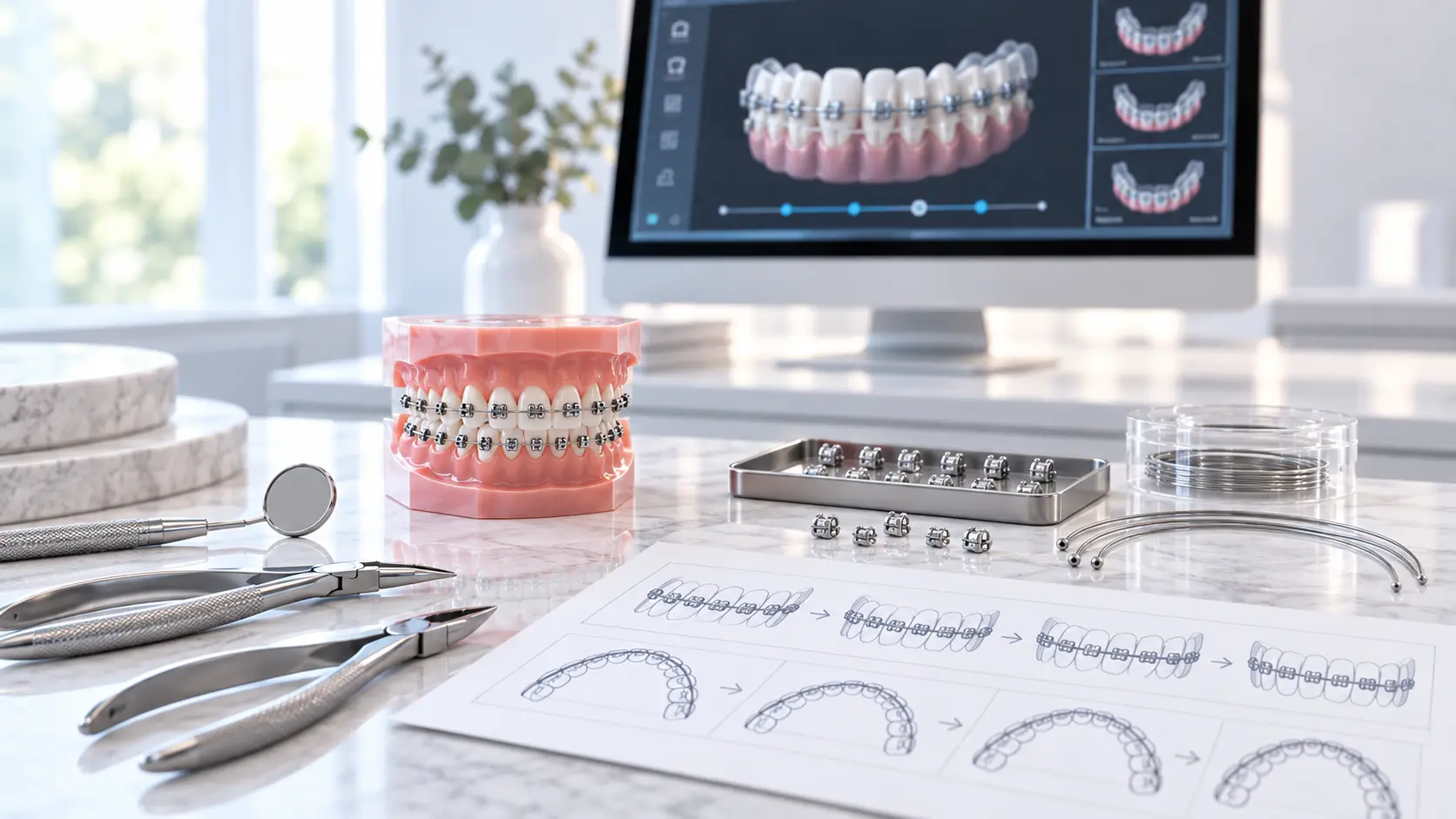
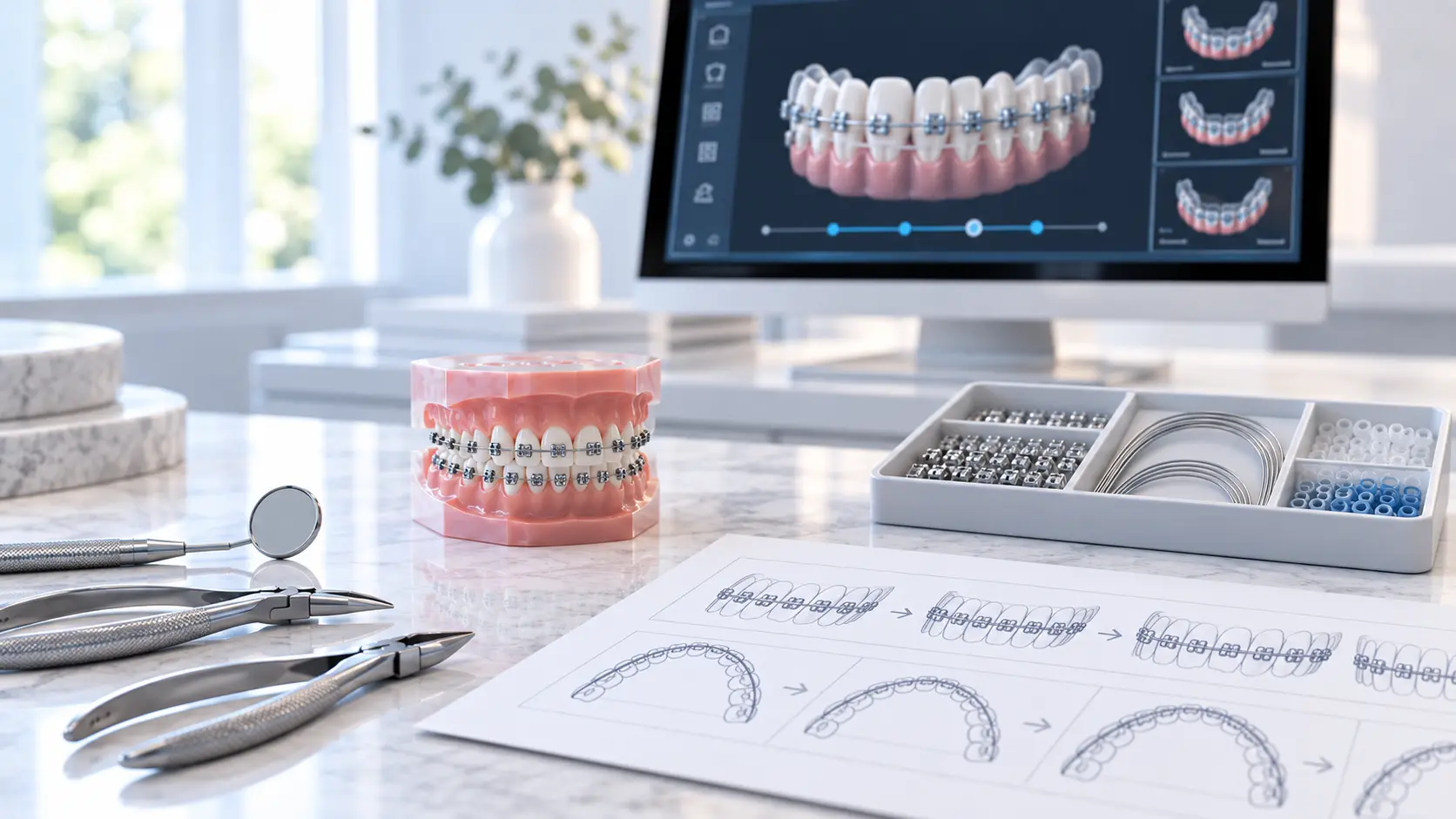
Metal brackets have long been used in fixed orthodontic treatment and allow a wide range of tooth movements to be planned. Tooth-coloured ceramic or similar aesthetic brackets may be considered for suitable patients who prefer their orthodontic appliances to be less noticeable.
Bracket selection is not based on appearance alone. The type of orthodontic problem, planned tooth movements, bracket durability, oral care requirements, treatment process and the patient’s expectations are considered together. Not every bracket option is equally suitable for every case. The most appropriate method can be explained after the diagnostic records have been evaluated.
Braces treatment for children and teenagers
Orthodontic evaluation in children and teenagers considers not only tooth alignment but also the development of primary and permanent teeth, jaw growth and bite relationships. An orthodontic evaluation does not mean that every child will immediately need fixed braces. In some children, monitoring growth and dental development may be sufficient, while in other cases an orthodontic approach appropriate for the growth period may be considered.
The position of the permanent teeth, jaw development, the nature of the orthodontic problem and the child’s ability to maintain good oral hygiene all influence the timing of treatment. Support from the family with appointments and home care is also important.
Braces treatment for adults
When the bone and gum tissues surrounding the teeth are healthy enough for orthodontic movement, braces can also be planned for adults. Age alone is not a barrier to fixed orthodontic treatment; however, gum health, missing teeth, existing fillings or crowns, and other dental needs are taken into account during treatment planning.
In adults, orthodontic treatment may sometimes need to be coordinated with implants, prosthetic treatment, restorative dentistry or jaw surgery. Whether treatment will involve only selected teeth or the overall bite relationship is determined after a comprehensive evaluation.
Stages of braces treatment
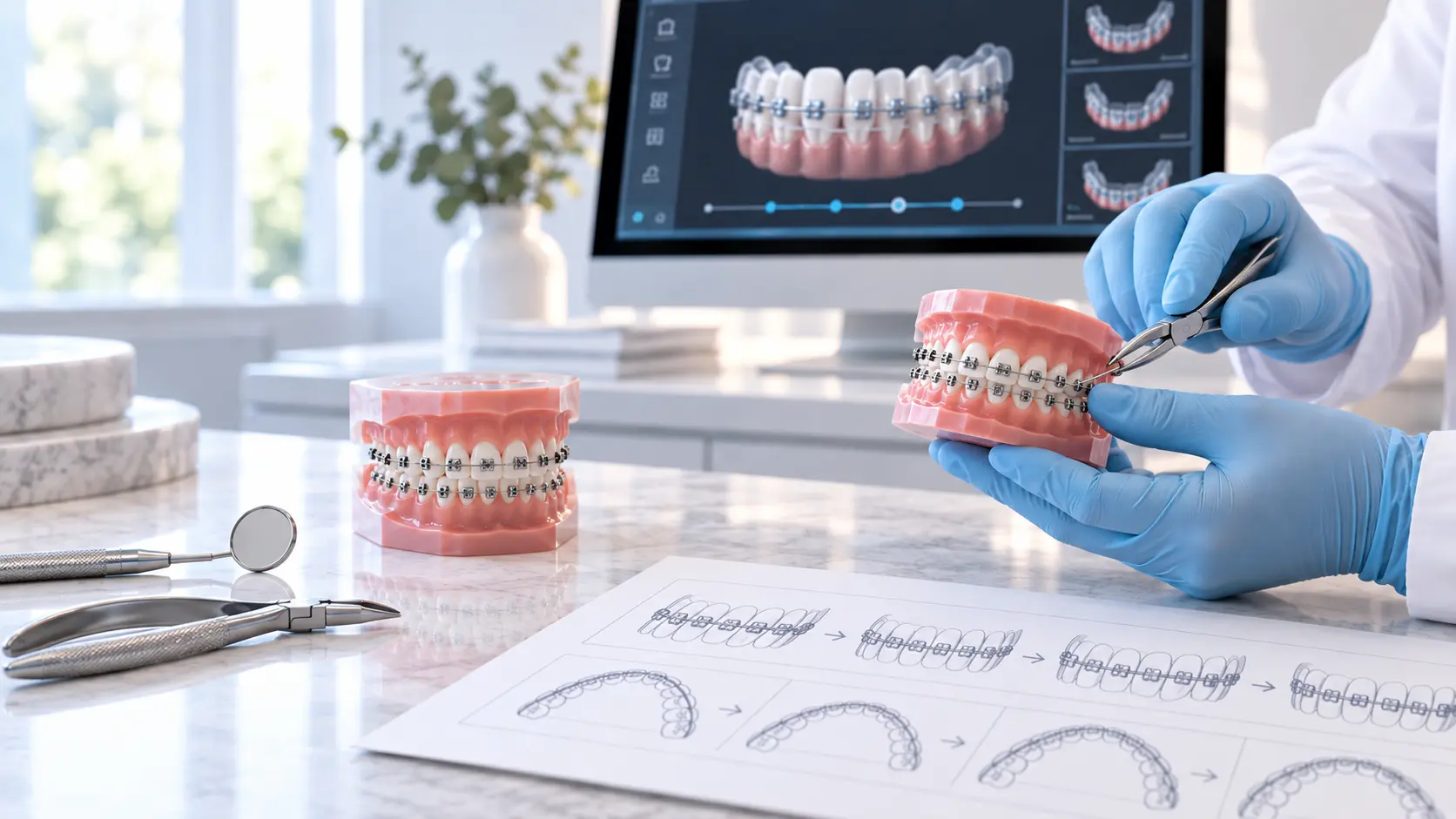
At the beginning of treatment, brackets are bonded to the teeth and an appropriate initial archwire is placed. During the first few days, pressure or sensitivity may be felt in the teeth, and the cheeks and lips may need time to adapt to the brackets. At follow-up appointments, tooth movement, brackets, wires, oral hygiene and treatment progress are evaluated.
Depending on the planned movements, wires may be changed and elastics, springs or other auxiliary components may be used. If the patient is asked to wear elastics, following the recommended schedule is important for treatment progress. Once active treatment is complete, the braces are removed and the retention phase begins to help maintain the new tooth positions.
How long does braces treatment take?
Treatment duration varies according to the complexity of the orthodontic problem, the tooth movements that are planned, growth and biological response, oral health, attendance at follow-up appointments and the patient’s adherence to treatment recommendations. A limited tooth movement and a comprehensive bite correction may require very different treatment times.
Broken brackets, missed appointments, failure to use elastics as instructed or interruptions related to oral health can affect the overall duration. An individual estimate can be provided after clinical examination and diagnostic records have been reviewed, and this estimate may be updated as treatment progresses.
Oral care while wearing braces
Brackets and wires can make some tooth surfaces more difficult to clean. If plaque is not adequately controlled, the risk of gum problems, tooth decay and permanent white spot lesions on the tooth surfaces may increase. For this reason, careful and regular oral hygiene is especially important during fixed orthodontic treatment.
Teeth should be brushed with a soft-bristled toothbrush and fluoride toothpaste, taking care to clean above and below the brackets. Interdental brushes, floss threaders or other products recommended by the dentist or orthodontist may also be used. The recommended frequency of professional cleaning and general dental check-ups depends on the individual’s oral health needs.
Eating with braces
Hard, sticky or very crunchy foods can cause brackets to come loose or wires to become damaged. It is generally better to cut firm fruits and vegetables into smaller pieces instead of biting directly into them, and to be careful with nuts, hard sweets and sticky foods. Frequent consumption of sugary foods and drinks may increase the risk of tooth decay.
If a bracket or wire breaks, becomes displaced or starts to irritate the mouth, it is better to contact the orthodontic clinic rather than trying to repair it yourself. If a sharp area is causing temporary discomfort, orthodontic wax may be used if this has previously been recommended by the clinic.
Braces or Invisalign?
Fixed braces and clear aligners are different orthodontic methods used to move teeth in a controlled manner. Braces remain fixed to the teeth and do not depend on the patient remembering to wear the appliance. Clear aligners are removable and less noticeable, but they require consistent daily wear according to the prescribed schedule.
The choice of treatment should not be based on appearance alone. The required tooth movements, bite problem, oral health, age, patient cooperation and treatment goals are considered together. In some patients both approaches may be suitable, while in other cases one method may better meet the clinical requirements.
Retention after braces treatment
Teeth naturally have a tendency to move after active orthodontic treatment has been completed. For this reason, fixed or removable retainers may be planned to help maintain the corrected tooth positions. The type of retainer, wear schedule and follow-up period are determined according to the patient’s treatment result.
Not using retainers as recommended may increase the risk of the teeth becoming irregular again. The areas around fixed retainers should be cleaned carefully, and the clinic should be contacted if a removable retainer is lost, broken or no longer fits properly.
What affects the cost of braces treatment?
The cost of braces treatment is not the same for every patient. The complexity of the orthodontic problem, whether one or both arches are treated, the bracket system selected, any additional procedures that may be required, the estimated follow-up period and the retention plan can all affect the overall treatment plan.
The final treatment scope and cost can only be explained after a clinical examination and review of the necessary diagnostic records. When evaluating treatment options, it is helpful to consider not only the initial cost but also the scope of treatment, follow-up process and individual oral health needs.

Braces consultation in Istanbul, Kadikoy and Caddebostan
At Dr. Esma Kuriş Baştan’s clinic in Caddebostan, braces and other orthodontic treatment options are evaluated individually for children, teenagers and adults. The clinic is conveniently accessible from Kadikoy, Caddebostan, Suadiye, Erenkoy, Bostanci, Goztepe, Kozyatagi, Fenerbahce and surrounding areas.
During the first consultation, the patient’s expectations are discussed and tooth alignment, bite relationships, jaw relationships and oral health are evaluated. The suitability of metal or aesthetic brackets and alternative orthodontic treatment options can be explained after the necessary records have been reviewed.
Frequently asked questions
Does getting braces hurt?
During bracket placement, patients usually feel pressure rather than pain. Temporary sensitivity may occur after the first archwire is placed or after wire adjustments at follow-up appointments. If pain is severe, unexpected or persistent, the orthodontist should be contacted.
Can braces be used at any age?
Orthodontic treatment can also be considered for adults when the supporting tissues and oral health are suitable. In children, dental development and jaw growth are important in determining the timing of treatment. Suitability is determined by clinical findings rather than age alone.
What is the difference between metal and aesthetic brackets?
Metal brackets are more visible, while tooth-coloured aesthetic brackets can make the appliance less noticeable. Because the options may differ in terms of durability, maintenance, planned tooth movements and patient expectations, the choice should be made individually.
Can I play sports while wearing braces?
Many sports activities can be continued during orthodontic treatment. For sports with a risk of impact to the mouth or face, a mouthguard that is compatible with orthodontic appliances may be recommended. Your orthodontist can advise you on the most suitable option.
What should I do if a bracket breaks?
A broken or detached bracket can affect the treatment mechanics. Avoid forcing the bracket and contact the orthodontic clinic for guidance and, if necessary, an appointment. The clinic should also be contacted if a wire is causing significant irritation or discomfort.
Can teeth move again after braces are removed?
Teeth can continue to move naturally throughout life. After active orthodontic treatment, wearing the prescribed retainers as recommended helps maintain the corrected positions. Retention and follow-up are important parts of orthodontic treatment.
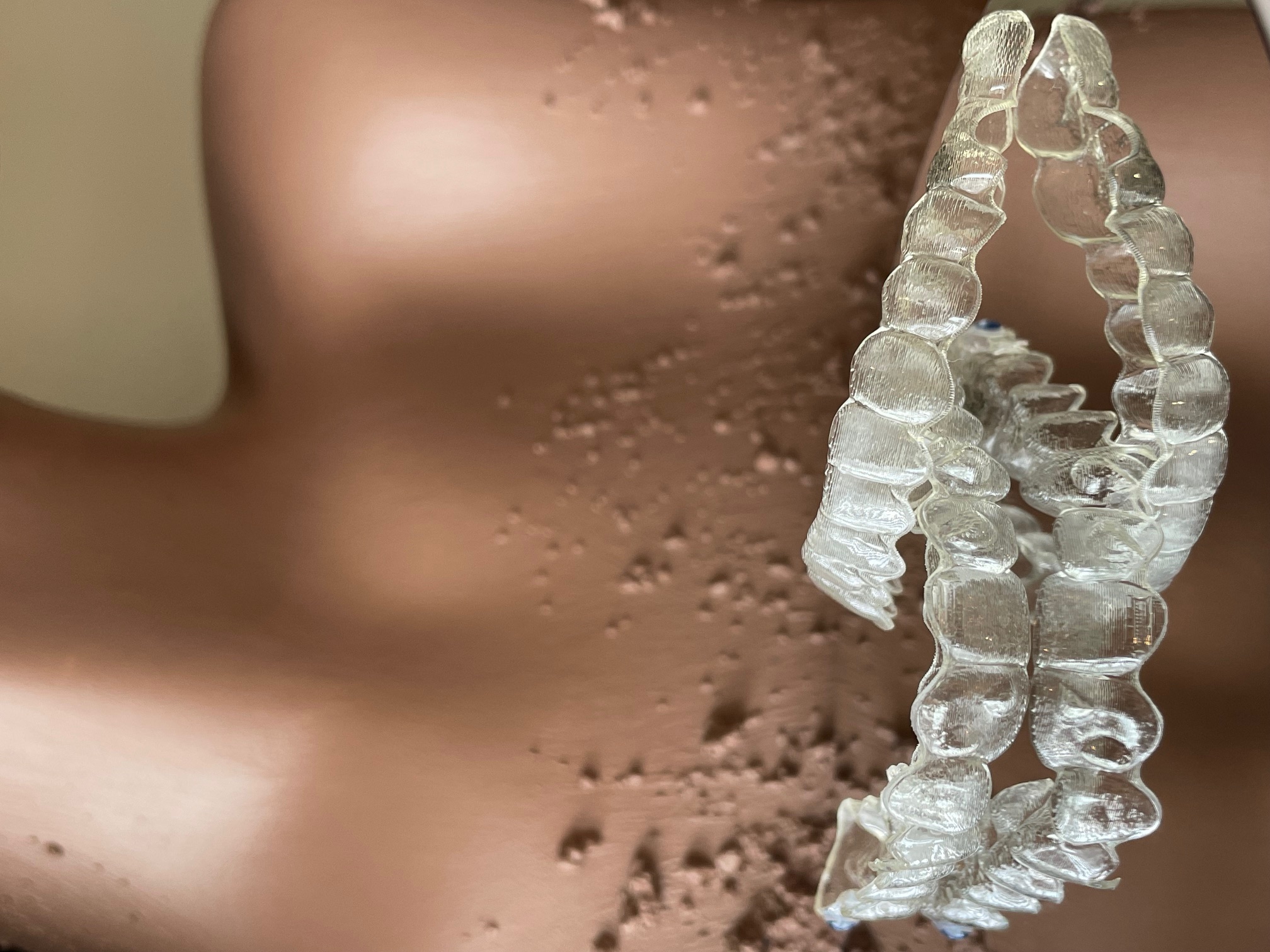
A personalised orthodontic treatment plan
Whether braces are suitable for you or your child is determined by evaluating tooth position, bite relationships, jaw development, oral health and individual day-to-day needs together.
You can contact our clinic to learn more about treatment options and arrange an orthodontic consultation.
Contact & Appointment Get Information via WhatsAppThe information on this page is provided for general informational purposes and does not replace a clinical examination, diagnosis or personalised treatment recommendation.